
Chapter Thirteen: The Photographs

I find a couple of bottles of red wine, and some 1l bottles of vodka and whiskey in the dining room cupboards.
‘You can take that if you want,’ D says, wandering past with his shirt still over his face. Now on the fifth tank of carpet shampooer water, the rancid stink of my mother’s house isn’t getting any better. I fling the patio doors open and dust falls from the faded curtains.
‘The wine’s grim’ I say. ‘Me and T drank a couple of bottles the night Mum died. We had to mix it with lemonade and it was still like tree sap.’
I dump the bottles on the table, ready to chuck them out.
‘When she first came out of hospital,’ D says as I study the vodka, ‘She offered me a load of those vodkas. There was like ten of them. I thought…”after seeing what it’s done to you, I don’t think I’m gonna drink again to be honest”. I palmed them off on my mate.’
A decade ago, I drank more than a bottle of wine a night to “deal” with being raped. Since then, I’ve slipped into that “coping” mechanism many times.
I know if I take that wine home I’ll drink it. And the spiral will start. Because this is gearing up to be one of the worst experiences of my life.
‘I’m going to chuck these down the sink,’ I mutter, grabbing the wine by the necks.
There’s a few more bottles on the shelves in the kitchen, one of advocaat and a couple of strong Magnum wine. They all get poured down the sink.
Mum would have been absolutely furious. I mutter apologies to her under my breath as the punch of alcohol wafts up from the sink basin.
When I knew her before, she drank a couple of cans of 7% 500ml Special Brew a night. She averaged at three, although often had four. Two cans has the same units as a bottle of strong wine.
When I find myself slipping back into trauma habits, it’s to run from demons when I’m too weak to face them.
I wonder if that’s what she was doing – for nearly all of her life.
‘She’s been seeing our mum for a while,’ T said. ‘She said a few weeks ago, mum came to her, but she was upset because she turned her back on her. And I said “well, that must mean you’re not ready to go yet”. And that cheered her up.’
Mum was sleeping when I arrived. Zoe and T were sat in the living room, chatting.
‘She told me she saw a shadow in a hat,’ I said, ‘and she worked out it was your mum. Has she seen your mum a lot since?’
‘I think so, actually,’ T replied. ‘It’s surprising, it was always Dad she was closer to. I wonder if he’s sent my mum down to bring her back. That’s what he would have done. He would have said, “go on, Mew, you go fetch her. I’ll be at the bookies”.’
When I arrived that morning it wasn’t long after 11am. I was hungover.
After I’d left mum and gone to the petrol station with the daleks, I’d got hammered in my hotel room and watched the Gemporia shopping channel.
‘Look at that ABSOLUTE necklace right there,’ I’d mumbled appreciatively at the screen. ‘That is a DISTILLED necklace.’
Then I switched over to QVC.
‘Look at that ABSOLUTE power-washer right there. That is a DISTILLED power washer.’
‘Has she talked much today?’ I asked T and Zoe. They shook their heads.
‘She’s slept since I got up,’ Zoe said.
I went to mum’s bedside and stroked her face to wake her. Her skin was like the film on a stagnant pond.
She turned her head to look at me, and smiled.
‘Hiya Mum,’ I said.
She grinned widely, but did not say anything.
Her cold hand raised up and pressed against my cheek. Her breath was like rotting meat. She was smiling so widely the edges of her eyes looked like rolled parchment.
‘Are you behaving yourself?’ I asked. She smiled and kept stroking my face.
Adoration. That’s what the look was. Absolute, pure adoration. I felt a lump in my throat. How I’d longed for that look.
Her lip quivered. She was trying to talk, and couldn’t. But her eyes moved as if she was, so I nodded.
I glanced over at T and Zoe.
‘She’s not spoken today?’
‘No,’ Zoe said.
Mum’s left hand tapped my face, needing my attention. I looked to her other hand, which was pointing at the wall above her.
‘It it another button?’ I asked. She nodded. So I pressed it. Then she pointed to another place, a few inches below. I pressed that too.
Empty buttons in mid-air. Her eyes narrowed in concentration.
Then she gave me a thumbs up, her eyes closed, and she fell back into a sleep, head turned slightly to the right on the pillow. Her cold fingers relaxed against mine.
Her little teddy bear, Billy, had fallen between the bed and wall. I picked him up, and propped him against her cheek.
She looked so peaceful.
My personal ground zero. Where it’s so quiet, many years after the bomb.
I was about thirteen when I found a box of photos in the cellar. When I asked mum about them, she was annoyed I’d rifled for them, but said I was allowed to look through them after dinner.
That’s what I did.
I was unfolding the carboard when Mum appeared from her usual shift at the bar downstairs, smelling of booze and holding a drink.
She sat down on the floor.
‘Open it, then,’ she said.
I’d expected to look through them on my own – mum never spent one on one time with me - and I was caught off guard.
Photos of her, her mum and dad, her grandfather and grandmother, or one of her many great-uncles in military uniform.
Often she’d pick up a photo and not know who was in it. I thought of these people trapped in a negative world, remembered by no one living.
Now that mum was too sick to play Hell at me rummaging around in the attic, I wanted to go through those photos with her one last time.
My younger brother had left a stepladder on the landing, which was too short for the attic door cut into the ceiling.
That didn’t stop me from trying.
When I fell off the highest rung, I heard Zoe and T pause their conversation downstairs.
‘I’m alright!’ I yelled.
It took me a while to find the right keys to the garage.
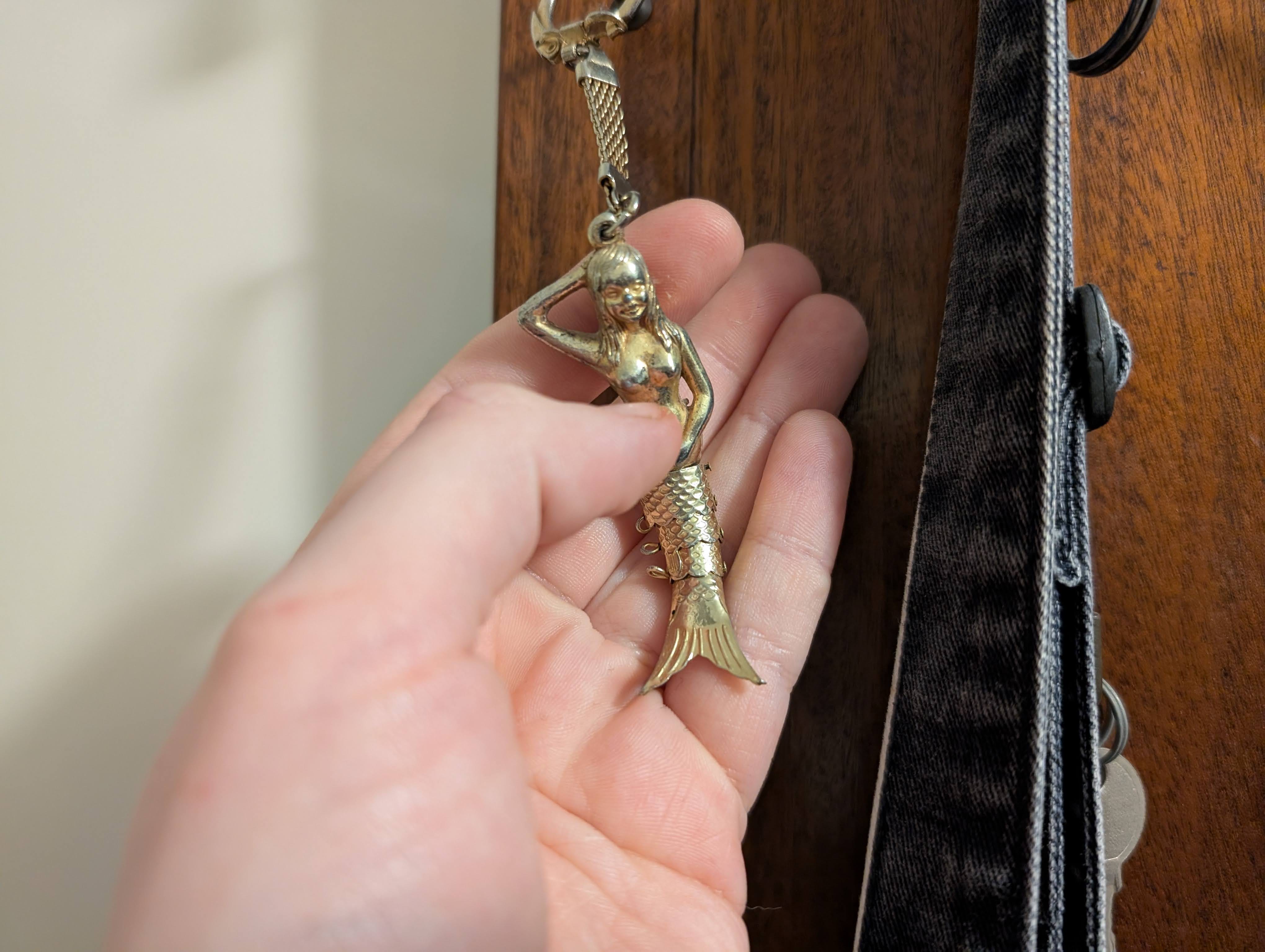
There were countless keys hanging from hooks in the pantry, I went back and forth with what I thought was the right one before I went fuck it and took all the remaining keyrings outside with me.
The Man Who Is Not My Father’s car, new and expensive and barely driven, greeted me when the great door yawned open.
With him in a care home and a scrambled brain, there’s no hope of him passing ownership on to me or either of my brothers – even after my mother dies. It’s destined to rot until it becomes the property of a distant living relative of The Man Who Is Not My Father.
He could have paid for them to have a cleaner.
And after the stroke, mum could have used their joint funds to pay for specialised care relatively comfortably - so she wouldn’t have to spend four unpaid miserable years doing it herself while dying of cancer.
What’s the point in keeping hold of money if you’re not going to make your life better with it?
Anyone reading this right now with a healthy amount in the bank: spend it. Invest in savings of course, but if you’ve got your home paid for, spend that excess money. Go the places you want, do the things you want to do, buy the things that you like.
Don’t sit on money like Smaug as my mother did – miserable, in pain, exhausted.
The tall stepladder stood against a dusty, oil-covered table. I took it.
Zoe and T stopped talking for a moment when I trundled through the lobby with the rickety stepladder, but did not ask what the heck I was doing.
Oddly, even though I knew mum was out of it, I glanced nervously through the doorway just in case she woke up. She would have been furious.
Why was I still scared of her?
This stepladder wasn’t tall enough to reach the ceiling, but I was able to balance on the top step and push the attic flap up and off without breaking my neck.
Using my meagre upper body strength, I pulled myself onto the dusty rafters and planted my elbows firmly on the edge, my feet barely touching the top ladder step.
I used my phone torch to glance through the cobwebbed space. A few large cardboard boxes, a couple of black bin bags.
I pawed at the nearest binbag. Inside was bundles of tablecloths. I recognised them from the hotel mum ran with The Man Who Is Not My Father more than twenty years ago.
I dragged the nearest box to me. Inside were stacks of photo albums. A quick flick through showed me awnings, ropes, sails, waves on a river.
The tour boats on the York Ouse, passing under bridges. Some straight-faced men at the helm. Tourists in red plastic seats behind them.
I opened another album. It was packed with newspaper cuttings. The Man Who Is Not My Father’s steely eyes stared back at me.
“YORK MAN SAVES DROWNING WOMAN FROM OUSE”
The pages were packed with clippings; some about the boat tour company The Man Who Is Not My Father ran with his adorable dad, some about the heroic rescue of a suicidal woman by the former.
As I leafed, I wondered what that woman must have been going through. How disappointed she must have been to emerge alive from the cold river into a world where women were still derided and considered hysterical for having mental health problems.
He was awarded some special thingy for that. The certificate of which hung on the wall in the lobby, underneath a great bell marked “TITANIC”.
I flipped another page to see The Man Who Is Not My Father’s dad grinning cheerfully into the camera through thick-rimmed glasses.
That man was one of the sweetest I have ever met. He was funny, kind, and on the very few occasions he spent time with me, fell over himself to keep me happy.
‘Do you want some juice? A snack? Do you want to play the piano? What are you doing at school these days?’
When I was fifteen mum and The Man Who Is Not My Father took me to his place. It smelled of sweet cough drops and clean carpets.
A man in his late sixties, he revelled in showing off like a child – he pulled out his harmonicas, his accordions. He ran his fingers over the keys and sang some sea shanty, delighted to have an audience.
‘You should have a go,’ The Man Who Is Not My Father said, putting the tiny accordion over my shoulders.
I was overwhelmed. I didn’t know what to do. I didn’t want anyone touching me.
I can remember how that old man looked at me through his enormous round glasses: like watching a seal about to do tricks.
In that moment, I wanted to tell him what his son had done.
But I didn’t. I shrugged the accordion off. They looked disappointed.
That was the last time I saw him, I think. I asked about him occasionally. I was kept from him. Maybe mum and The Man Who Is Not My Father knew what I might tell him.
But when his son visited him, he’d give him music books to pass on to me. Sheet music compilations of golden oldies, sing-a-longs, classic swing favourites and 60s chart-toppers.
He died when I was twenty. He never found out what his son did.
Some people don’t deserve to know the horrible things the people they love do.
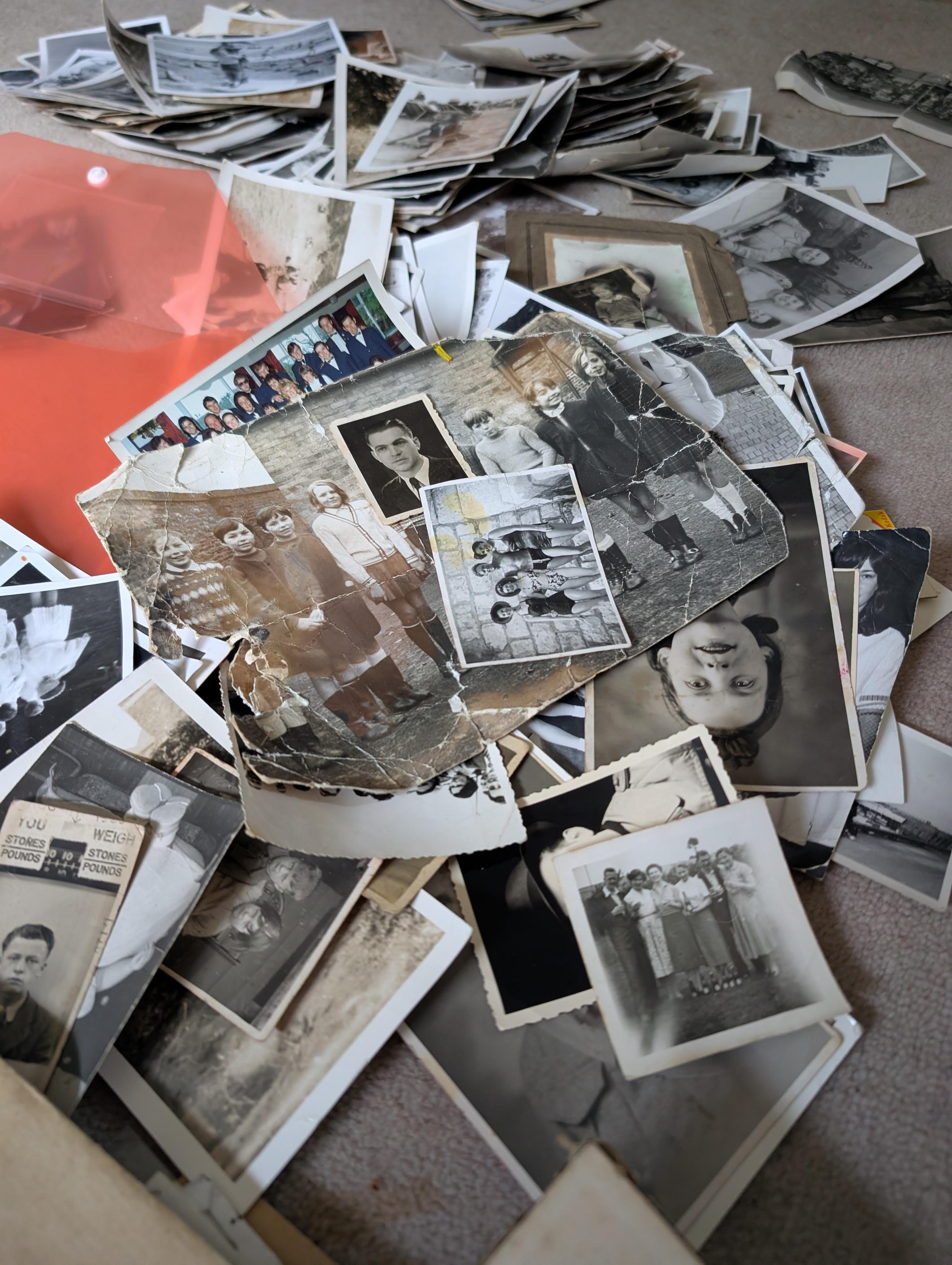
The photos were in the same cardboard box they were in so many years ago. I wondered how long it had been since they were touched.
The box was heavy. Bringing it down was a tense exercise.
I brought it into the living room very much expecting that Mum would wake up enough to go through the photos with her; but for now, she was passed out.
‘What you got there?’ T asked.
T was more than happy to indulge me, taking every photo I handed her and giving me some backstory.
‘Who’s this?’ I asked, holding up a water-stained picture of a baby.
‘That’s your mum,’ she replied matter-of-factly.
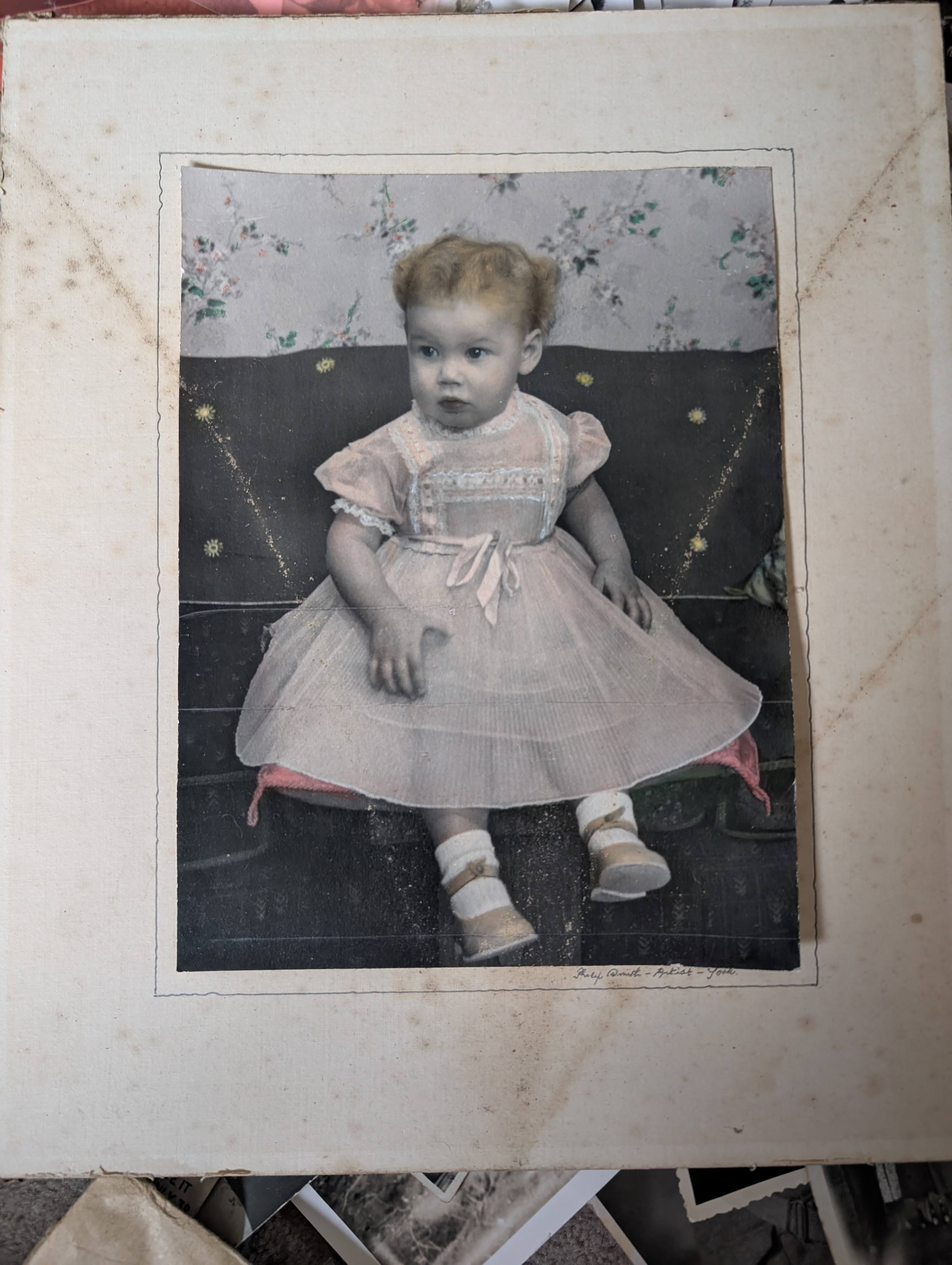
I stared at the carboard. An adorable little mite, in frilly dress and wearing the biggest smile stared back.
A baby with a uterus that would bear me one day.
Taken in 1959, it must have been professionally coloured. Like my grandparent’s wedding photos.
Baby Mum looked almost cartoonish, the colours just a little off and a little too bright.
That baby was clearly adored. Every photo with her mum and dad, both in their mid or late thirties, showed two people staring in adoration down at their first child.
My grandfather in particular, who I don’t remember very well at all, looked like no one else existed but his wife and baby.
Well, I do remember him a bit. I was perhaps six when he died. I have a vague memory of a cancer-ravaged man with deep-set eyes surrounded by dark brown skin as if he were bruised. He had a slouching walk and smoke-stained fingers. I used to call him ‘Uncle Fester’.
I remember the council house he and his wife lived in. How bad it smelled of smoke and damp. The carpet was wet. Black mould lightly drizzled the ceiling above my grandmother who, always impeccably dressed, handed me misshaped Smarties from the sofa.
She worked as a sweet packer at the Nestle factory. She would bring home brown paper parcels of chocolates that weren’t good enough to be put on the shelves. She was very clever and did well at school, but wasn’t allowed to go to college because she was a woman.
Can you imagine how many times we’ve missed out on a cure for cancer because the woman who was going to find it was delegated to a life of servitude? God, it pisses me off.
The last time I was at that house, a child filled up with Smarties, I promised my grandmother I would pick all the plums from the massively overgrown garden. She smiled at me indulgently, but I never got to fulfil that promise. A few years later, cancer took her too.
‘God, she was gorgeous,’ I said, holding up a photo of my grandmother when she was in her late twenties. A black and white cigarette-card-sized picture of a slim girl in bathing suit, smiling with her arms held high over her coiffured hair.
‘Oh, she was,’ T said. ‘And she was so stylish. Right up until she died, really. Always had perfect hair, perfectly ironed clothes.’
There were a lot of those little photos of my grandmother. She’d had a full life before she met my grandfather: the photos showed her in all sorts of places all over the world…often stood next to some handsome, shirtless man.
‘How did she meet your dad?’ I asked.
‘I think in a bar.’
I looked at a greyscale photo of my grandmother next to some absolute hunk on a beach, then across at one took a few years later of her with my grandfather, slightly hunched with his curly hair and rugged face, holding his arm around her waist.
‘How did he woo her?’
‘I’ve no idea,’ T said. ‘I don’t think she was impressed with him at first. But they really did love each other. They were soulmates.’
That was very apparent, from any picture of them together. I long for a love like that.
‘He used to brew his own beer,’ T added, ‘He had it brewing in the wardrobe once. And it exploded. Yeast and beer everywhere. That’s the angriest I ever saw Mum.’
‘What did she do?’
‘She sorted it out, then she said to my Dad: “Don’t ever do that again.”’
That’s got to be true love, right? I’d never let my partner near an enclosed space with a demijohn again.
‘Who’s this guy?’ I asked, holding up a photo of a man with a stack of newspapers, outside what I recognised as the Theatre Royal.
‘That was my grandad,’ T said. ‘Him and my grandma lived with us until they died.’
‘What did he do?’
‘He was a policeman. When he retired, he sold newspapers outside the theatre. He was…well, back then we used to say “oh that’s just grandad doing grandad things.” Today, they’d say it was dementia.’
She paused for a moment, then said:
‘He used to sleep with a saw under the bed.’
I spluttered.
‘A saw?’
‘In case of intruders.’
‘What was he going to do, say “can you just stand there while I saw your legs off”?’
‘I never thought about it, really.’ T shrugged. ‘It was just grandad.’
I listened to stories about fascinating people on whom I owe my existence, but know nothing about.
Mum didn’t stir much while T and I sifted through photos. Zoe, as was her job, sat in
an armchair nearby. She didn’t try to inject herself into the conversation - she smiled a lot listening to what we were saying though.
I picked up a polaroid, and my heart sank.
‘Oh my god,’ I muttered.
‘Yeah,’ T said.
Mum. My Mum. Barely eighteen years old. She looked like a child.
Next to her husband. Thirty-eight. A man with slick brown hair, centre parting, 70s-style clothing.
Her wedding day.
I felt a bit sick.
‘Didn’t your mum and dad try to stop her?’
‘Oh, yeah,’ T said. ‘It was awful. And you know, it was them who introduced them. There was a guy mid-twenties they thought she might like.’
I flinched a bit. That’s still too old, but okay.
‘And John was one of his friends,’ T continued. ‘And for some reason, she liked him more.’
I stared at the guy in the photo.
He was not even slightly hot. In all honesty, he had that classic BBC-presenter-who-turns-out-to-be-a-nonce vibe. Like, he had that look where his chin is closer to his chest, eyes staring at the camera through slightly hooded lids.
‘…Why?’ I asked.
‘I have no idea. He was an alcoholic. And my mum was devastated.’
‘Really?’
‘Oh god yeah,’ T looked a bit upset, ‘For weeks after the wedding she would just sit at the window and stare outside. She wouldn’t say a word. It was horrible. And you know my dad was a staunch catholic?’
‘Yeah, of course.’
‘He offered to pay for an abortion, so she wouldn’t have to get married.’
I’m not here to make a comment on the institution of religion. But when a father bypasses his own religious beliefs to do what is right for his daughter, that’s a man who adores his kid. That’s a man who wants what is best for her, not what is best for the patriarchy.
That’s a real man, and a loving God would forgive him.
I gained a huge amount of respect for my dead grandfather when I heard that. I actually felt shit about having called him Uncle Fester during the short time we knew each other.
I picked up another polaroid. John, my mother’s first husband, posing with a baby next to some guy dressed as a bear.
My big brother, J. He was a cute baby, wearing that time-honoured expression of “what the fuck is this place I’ve been dropped into” every month-old wears. The bear costume was horrifying so it wasn’t uncalled for.
Mum must have taken that photo. I wonder if she was happy in that moment, Polaroid camera in her smooth hands, viewfinder pressed against wrinkle-less teenage eyes.
‘She did really pursue him,’ T said. ‘I mean, obviously he was out of order to reciprocate, but she did really throw herself at him.’
There must have been some trauma or social conditioning involved, then.
When I was seventeen I crushed on the forty-two-year-old director while I was in the York Mystery Plays. He didn’t reciprocate, but he did start a relationship with my eighteen-year-old-friend.
And at the time, I didn’t think it was weird. I was jealous, to be honest.
Gross.
Little girls are groomed for motherhood and looking after men the minute they can start grabbing for toys. Dolls made to look like babies. Pink prams. Hair to brush and bo-bos to kiss.
When I was very little, Mum got me a baby doll that pissed itself. Why are we grooming little girls to want a doll that pisses itself?
I didn’t play with that doll. I played with my brother’s Big Loader.
Disney princesses of my era got married at the end of the film. And that was their goal, their reason.
I suddenly remembered something mum had said a few weeks prior.
‘It’s all I wanted, really,’ she said sadly when talking of her first husband, ‘I wanted the husband and the family.’
She’d tried to speedrun the Disney Princess life. But she didn’t chose princes, she chose the Jafars and the Gastons and the Scars.
‘She told me…’ T said while I stared sadly at the photos, ‘she told me when she first came out of hospital, that her first boyfriend raped her.’
I was gobsmacked.
‘How old was she?’
‘It would have been when she was fifteen, or sixteen. I had no idea. Like I say, she told me a few months ago.’
I looked over at the dying woman in the bed on the other side of the room, and sighed deeply.
‘Well…things make a bit more sense now.’
Maybe that boyfriend was her ground zero.
I wish I’d been there to tell her she didn’t deserve that.
I wish I’d been there to tell that child she was worthy of more than the men who hurt her.
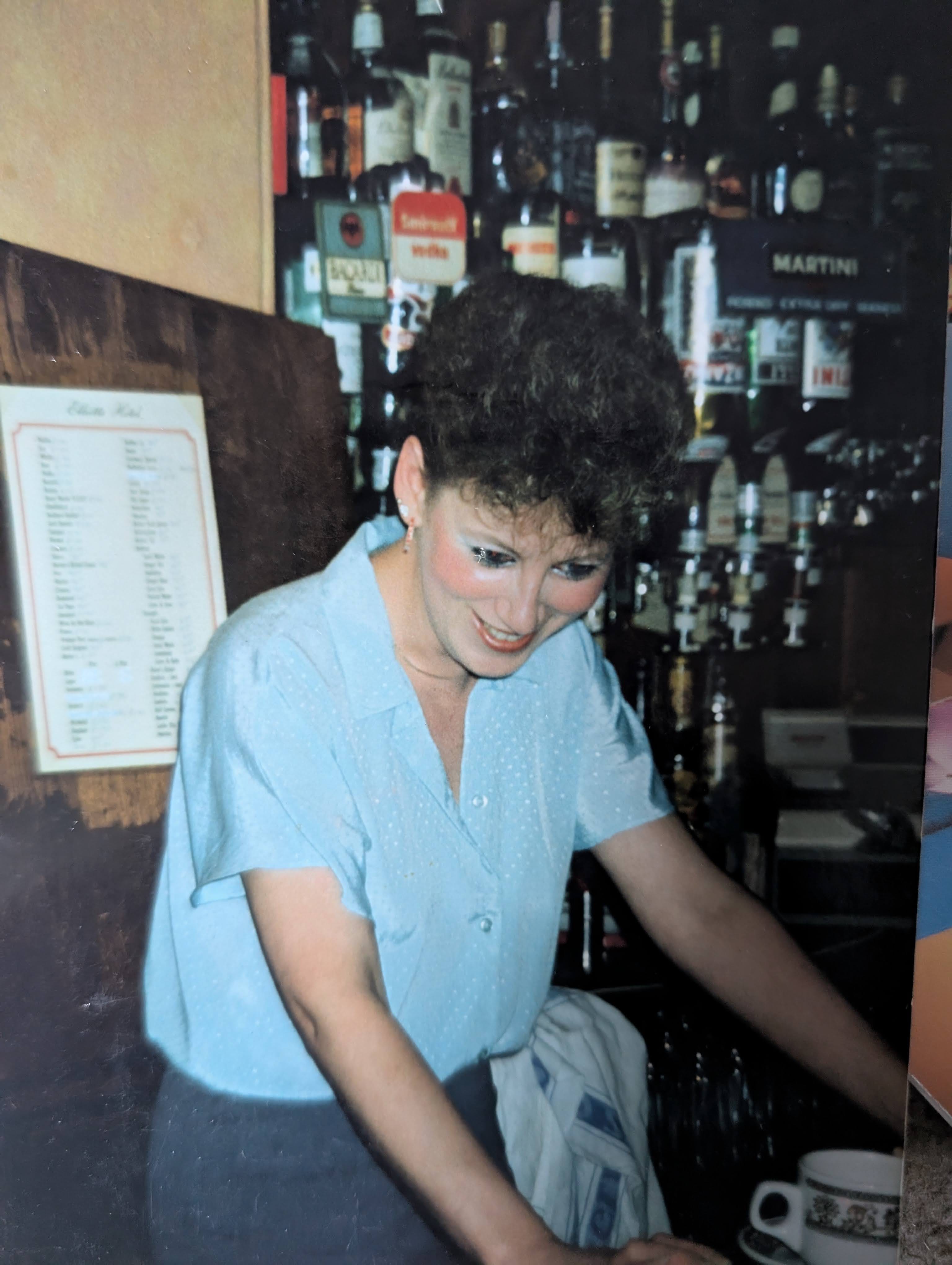
Another photo. Mum, thirty-years-old, smiling behind a bar.
‘That must be when she worked at Elliot’s,’ T said.
When me and my younger brother were toddlers, my dad asked Mum to get a part-time job. She got one at a bar called Elliot’s.
That’s where she met The Man Who Is Not My Father. He had a drink there after work some days.
The woman in the photo looked so happy, full of life.
‘Her hair looks solid,’ I noted.
‘Oh, it was.’ T said. ‘The hairspray the two of us used to use when we were having a night out, my God.’
She looked at the ceiling, recalling an old memory, and continued:
‘We spent hours in the bathroom getting ready. Our mum would be backcombing our hair, we’d be spraying perfume. Dad would be banging on the door.’ She chuckled at the memory. ‘And your Mum would still be messing about right before we needed to leave. I’d be shouting “come on, we’re going to miss the bus! It’s only every hour!” and your Mum would be going “in a minute, in a minute”.’
‘Did you used to pre-game with your Dad’s homebrew?’ I asked. T visibly shuddered.
‘Oh god, no. We’d have beers or sangria at Oscar’s. Then we’d go on to a nightclub, but we didn’t drink there. We’d be on the lemonade or cokes.’
‘She never got, like, drunk?’
‘Oh no, not at all.’
Mind-boggling. How could Mum have been so sober in her twenties and early thirties, but an alcoholic for most of the time I’d known her?
‘Sometimes I bumped into your dad on a night out,’ T added. ‘He’d be sloshed after one beer.’
‘Is that how Mum and Dad met?’
‘Well I knew him first, he used to come into the pie shop I worked at.’
This was quickly turning into a James Herriot novel.
‘We bumped into him one night,’ T continued, ‘And I introduced them and then I went off for a bit. And when I came back they were both…getting on very well. You know.’
‘Ew, gross.’
‘But I mean, your mum would walk into a room and everyone turned and looked at her. I mean, everyone. And when she got talking to a bloke, she’d make him feel like he was the only man in the world.’
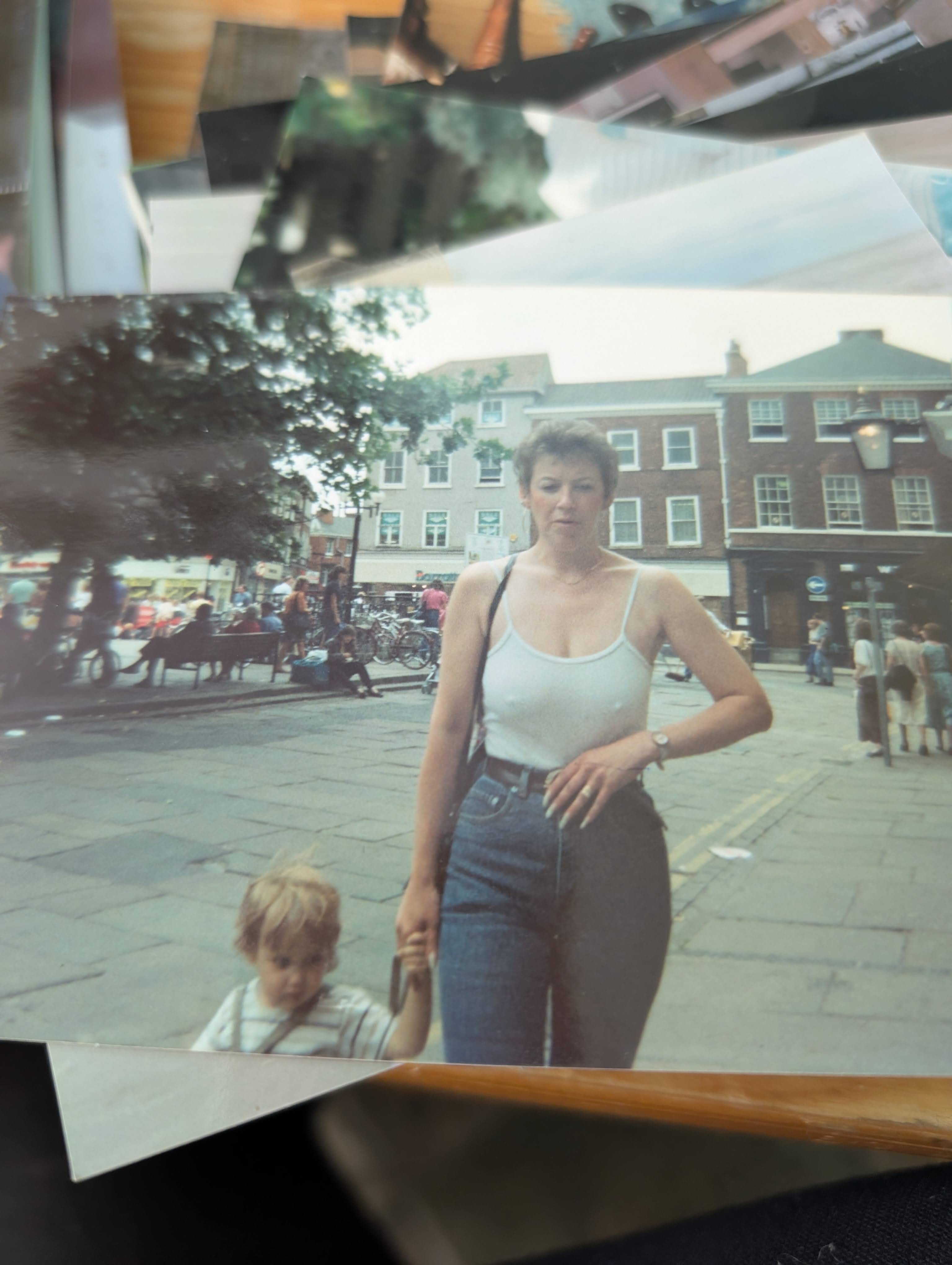
I remembered the men looking Mum up and down as she strode into town, D in a stroller and me on her arm. It wasn’t that she was physically stunning…she was emotionally stunning. She commanded the area she walked through.
Mum made a noise. I got up to check on her.
When I hovered over her wraith-like frame, her dull eyes met mine, then she lifted her left hand and pointed at me.
‘I’m here,’ I said, gently taking her hand. She stared at me as I perched on the side of the bed. She seemed dazed, dreamy, like she was sleepily amazed by the sight of me.
Her hand gripped mine very tightly.
You used to command the area you walked through.
‘It’s okay Mum,’ I said. ‘I’m not going anywhere. I’m here, and T’s here, and Zoe’s looking after you.’
Something caught her eye.
She started stroking something in the air above her, to her right.
‘It’s like she’s stroking a face,’ I whispered over my shoulder to Zoe and T. ‘It’s like when I’ve seen her stroke Zoe’s face.’
Zoe nodded in agreement.
‘Has she seen Mum again at all?’ T asked.
My mother seemed transfixed, her palm open wide and fingers gentle. Her eyes were wet and wide, as if she was looking on something of extreme beauty.
‘Mum,’ I said, ‘Is there someone there?’
She glanced at me and nodded slightly but unmistakably.
‘Is it your mum?’
She nodded resolutely, turned her eyes back to the invisible figure.
I looked over to T and Zoe. Nodded yes.
We watched her stroke my grandmother’s ghostly face for a little while, then she slipped into unconsciousness. The hand that had been touching the vision gently fell back to the blanket, fingers still waving like twigs in a breeze.
Thank you for reading x